
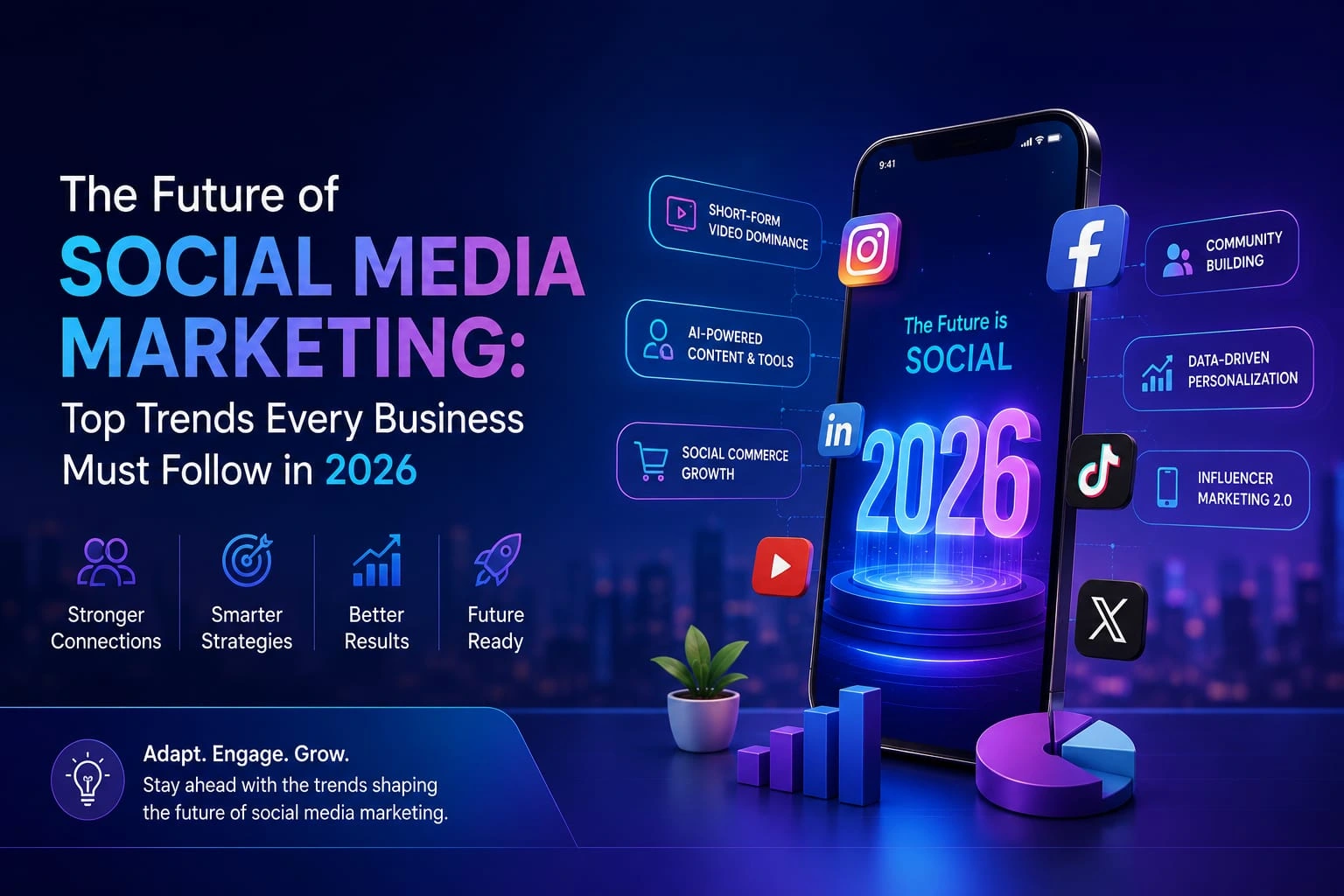
The Future of Social Media Marketing: Top Trends Every Business Must Follow in 2026
Introduction
Social media marketing has evolved far beyond simply posting content and gaining followers. In 2026, businesses are operating in a digital environment where consumer expectations, technology, and online behavior are changing faster than ever before. Social media platforms are no longer just communication channels; they have become powerful ecosystems for customer engagement, brand building, sales, and community development.
To stay competitive in this evolving landscape, many businesses seek guidance from the Best Digital Marketing Freelancer In Thrissur to create effective social media strategies that drive meaningful results and long-term growth.
As competition continues to grow, businesses that fail to adapt to emerging social media trends risk losing visibility and customer trust. To remain relevant and competitive, brands must embrace innovative strategies that prioritize authenticity, personalization, and technology driven experiences. This article explores the top social media marketing trends that every business should follow in 2026.
Key Social Media Marketing Trends Shaping 2026
1. AI-Powered Content Creation and Personalization
Artificial Intelligence (AI) is changing how brands create and share content. In 2026, AI tools are helping businesses generate engaging posts, analyze audience behavior, and deliver personalized experiences at scale.
Consumers now expect content that matches their interests and preferences. By leveraging AI-driven insights, businesses can create targeted campaigns that increase engagement, improve customer satisfaction, and drive conversions. Personalized marketing is no longer optional—it is a necessity for success.
2. Short-Form Video Continues to Dominate
Short-form videos remain one of the most effective content formats across social media platforms. Audiences prefer quick, informative, and entertaining content that can be consumed within seconds.
Businesses are increasingly investing in creative video marketing strategies, including product demonstrations, behind-the-scenes content, customer testimonials, and educational clips. Brands that consistently produce high-quality short videos are more likely to capture attention and build stronger connections with their audiences.
3. Social Commerce Becomes Mainstream
The line between social media and online shopping is becoming increasingly blurred. Social commerce allows users to discover, evaluate, and purchase products directly within social media platforms.
In 2026, businesses are integrating seamless shopping experiences into their social media strategies. Features such as in-app purchases, live shopping events, and interactive product showcases are making the customer journey faster and more convenient. Companies that embrace social commerce can significantly boost sales and customer engagement.
4. Authenticity and Transparency Are More Important Than Ever
Modern consumers value honesty and authenticity. They are more likely to support brands that communicate openly and demonstrate genuine values.
Businesses are focusing on transparent communication, showcasing their company culture, sharing real customer stories, and addressing customer concerns openly. Authentic content builds trust, strengthens brand loyalty, and differentiates businesses from competitors in a crowded marketplace.
5. Influencer Marketing Evolves
Influencer marketing continues to be a valuable strategy, but the focus is shifting toward micro-influencers and niche content creators. These influencers often have highly-engaged communities and more credibility in certain industries.
Rather than partnering solely with celebrities, brands are collaborating with creators whose audiences closely align with their target market. This leads to more meaningful engagement and a better return on investment.
6. Community Building Takes Priority
Businesses are moving beyond follower counts and focusing on creating loyal online communities. Social media users want meaningful interaction rather than one way communication from brands.
Successful companies are investing in private groups, interactive discussions, live sessions, and customer communities where users can connect, share experiences, and provide feedback. Strong communities contribute to long-term customer retention and brand advocacy.
7. User-Generated Content Gains Importance
Consumers trust recommendations from other customers more than traditional advertisements. User-generated content (UGC), including reviews, photos, videos, and testimonials, plays a crucial role in influencing purchasing decisions.
Brands are encouraging customers to share their experiences and actively incorporating user-generated content into their marketing campaigns. This strategy enhances credibility while reducing content creation costs.
8. Data Privacy and Ethical Marketing
As privacy concerns continue to grow, businesses must prioritize responsible data practices. Consumers are becoming more aware of how their personal information is collected and used.
2026: Successful brands are adopting transparent data policies and adhering to privacy regulations.Ethical marketing practices help build customer trust and strengthen long-term relationships.
9. Augmented Reality (AR) Experiences
Augmented Reality is creating new opportunities for interactive marketing. From virtual product trials to immersive brand experiences, AR allows customers to engage with products before making purchasing decisions.
Businesses in industries such as fashion, beauty, furniture, and retail are increasingly using AR features to improve customer confidence and enhance the shopping experience.
10. Social Listening and Real-Time Engagement
Understanding customer conversations is becoming essential for business growth. Social listening tools enable brands to monitor discussions, identify trends, and respond to customer feedback in real time.
Companies that actively listen to their audiences can improve products, address concerns quickly, and stay ahead of market trends. Real-time engagement helps create stronger customer relationships and demonstrates that a brand values its audience.
Conclusion
The future of social media marketing in 2026 is driven by innovation, personalization, and authentic customer relationships. Businesses must move beyond traditional marketing approaches and embrace emerging technologies, data-driven strategies, and community-focused engagement.
From AI-powered personalization and short-form video content to social commerce and augmented reality, the opportunities for growth are immense. However, success will depend on a brand’s ability to build trust, provide value, and adapt to evolving consumer expectations. Organizations that stay ahead of these trends will not only strengthen their online presence but also create lasting connections with their customers in the years to come.